Edinburgh and the Extractive Economy
Good Jobs and Embodied Carbon; not More Hotels and Landfill
I knew a man who owned a Highland Inn and marketed it to attract tourists, bikers and kayakers. He didn’t like locals and eventually, madly, barred them, including regulars who, yearly, contributed many thousands each, into his coffers. Equally, he turned away potential visitors who even interacted with anything vaguely “community”, questioning my friends who rang up for a room and refusing their booking, as they confirmed that they were up for an event at the nearby, locally-owned, community-run Village Hall.
He’s moved on, and we might ponder the truth, that visitors to a Highland Inn might come for the tourist offer but also appreciate local colour, with grizzled Heelanders, in their workgear, ensconced in the corner - that a diverse, mixed place is friendly, anchored and interesting, and therefore good for business. As we might even hope that the Heelanders enjoy the parade of visitors.
I experienced an Edinburgh version of my Innkeeper, when a senior Scottish tourism tsar, some years ago, lectured me at an Edinburgh cultural conference that – as my memory paraphrases – the primacy of the booming tourist economy meant that it was my civic duty, as an airb’n’b-blocker, squatting in the centre of my town, to move out, to the suburbs or anywhere, and give my house up to the hordes.
There’s huge local concern around tourism and the Festivals, and that particular cultural cleansing view of a city that sometimes seems no longer ours. The resistance can, at times, tip over into something sour and surly – pitchforky, we might cry it. We are so lucky that we live in such a dynamic, historic city, and it’s lovely that folks want to come here; and as we are people who might wish a reputation for welcome – and as travellers ourselves, who love a vibrant, complex, historic weekend away – surliness would be shameful. But what is a vibrant visitor economy if it does not enrich that place, instead of monopolising it? And even that economy might understand – as my Innkeeper might have – that a city hollowed-out for it only is dull, a stage-set.
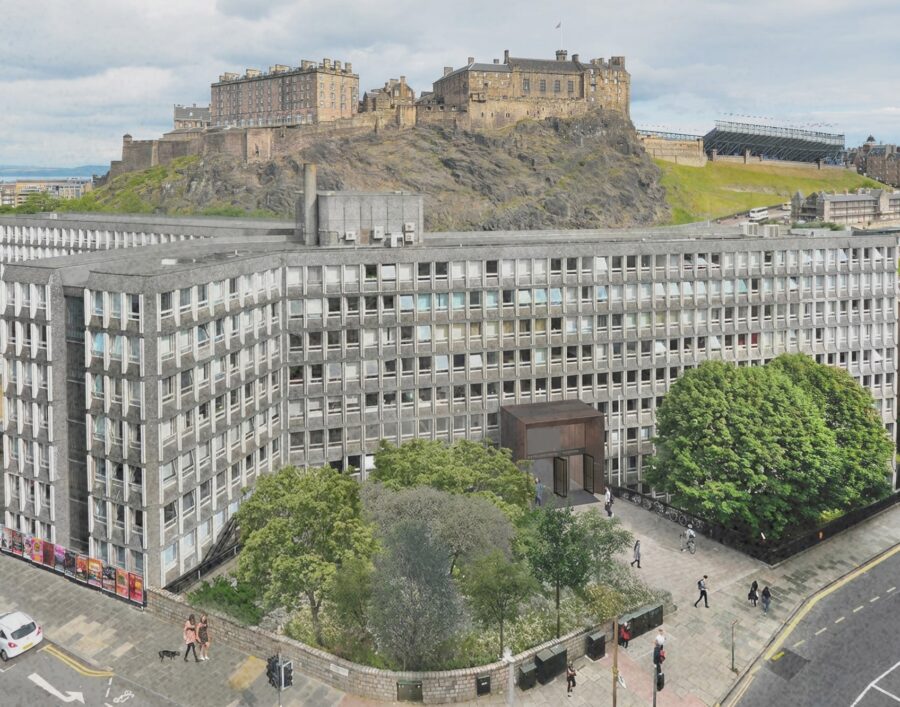
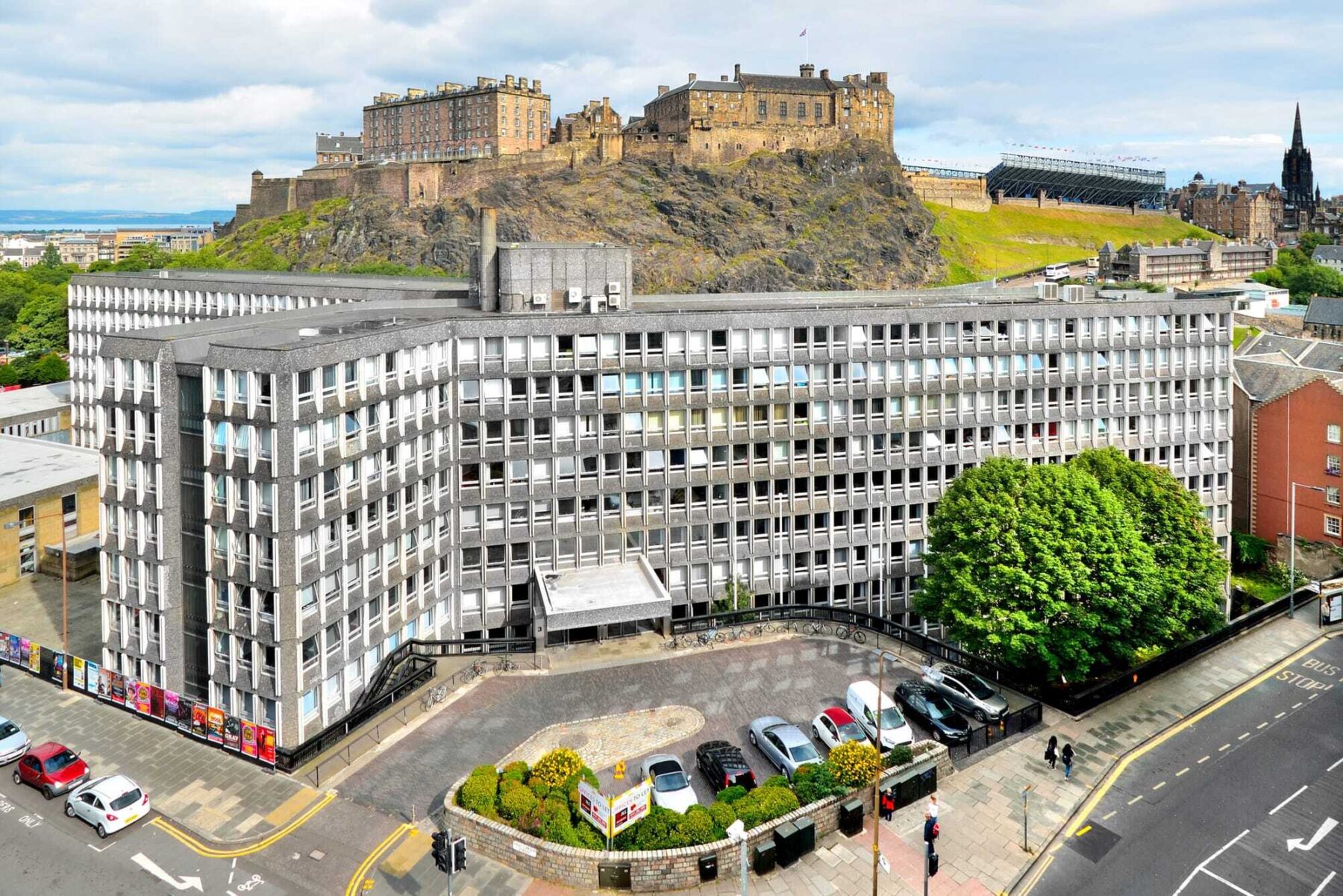
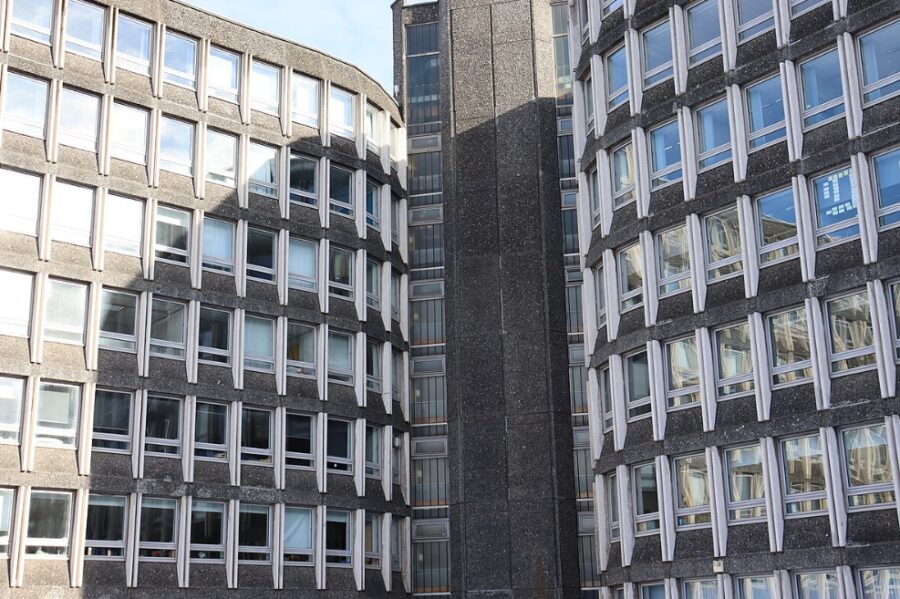
These matters are to the fore over the fate of two Edinburgh institutions: CodeBase, the tech incubator, whose 900 jobs underpin Edinburgh’s hope for the broad and diverse economy the city needs; and Argyle House, the grand, 60s modernist complex they inhabit. The big, US Real Estate Fund that bought the site, presumably on the “hope value” of demolishing it (vile phrase), wants a “mix” of replacements that market forces will direct towards hotel and general visitor economy ones.
Publication / The Drouth
Malcolm Fraser reflects on the looming threat of demolition hanging over Argyle House, and the virtues of retention.
Publication / Good Jobs and Carbon
I’ve authored an open letter to the Politicians, Amenity Group Leaders and general Edinburgh Civic Worthies named as “Proposal of Application” recipients to the advance Planning notice, and tried to gather the argument against into three headings:
1.Economic
The strongest part, in many independent economists' views, of Edinburgh and Scotland’s economy is the unheralded and self-generated tech and crafts infrastructure - teccy start-ups, crafts daubers, fiddlers and dreamers - occupying cheap space and doing the real innovation, and generating the innovative jobs, that Government aye begs for. Argyle House has nurtured two unicorn companies - ie now capitalised at over a billion dollars. Do we really think it's progress to put them out onto the street for more hotels and executive flats?
2.Heritage and Placemaking
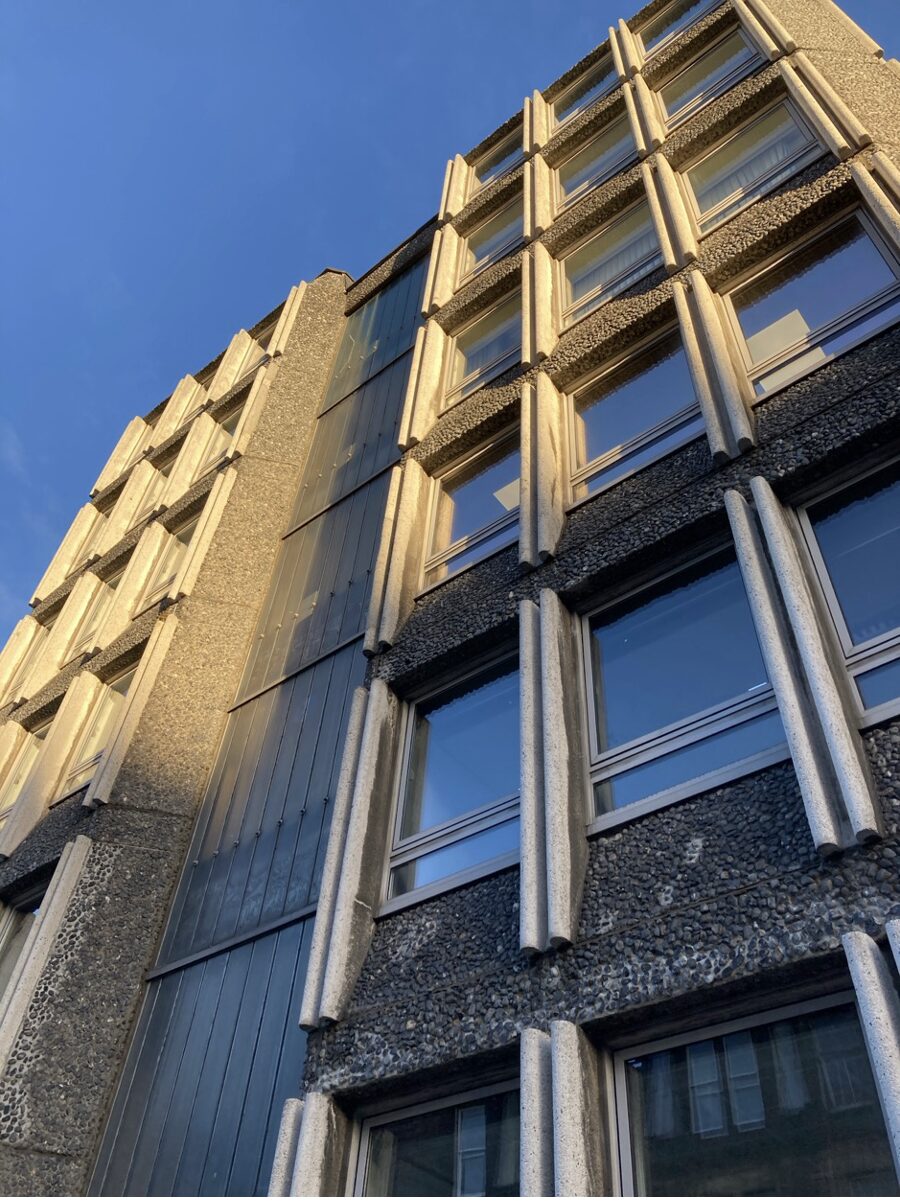
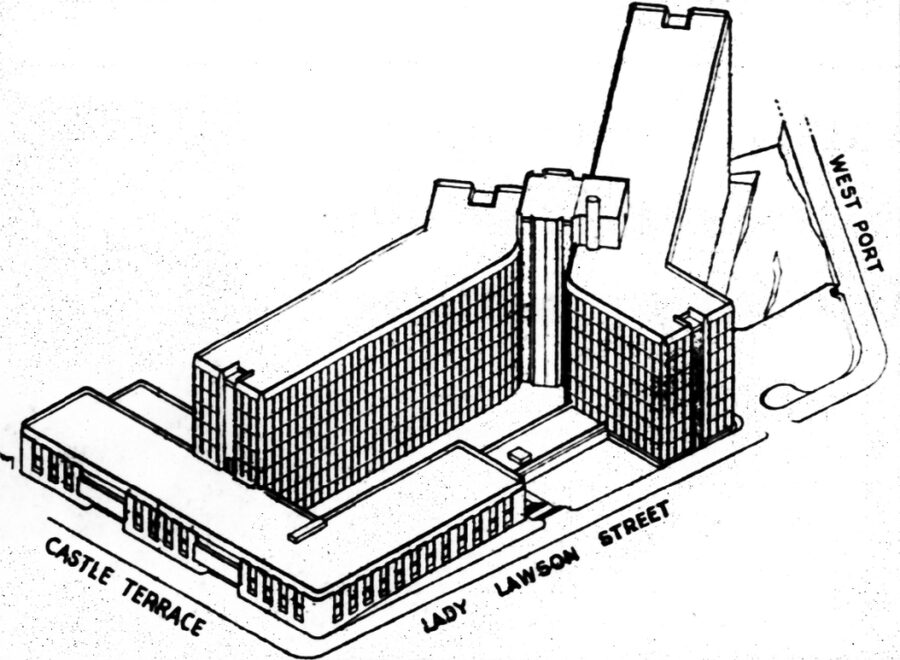
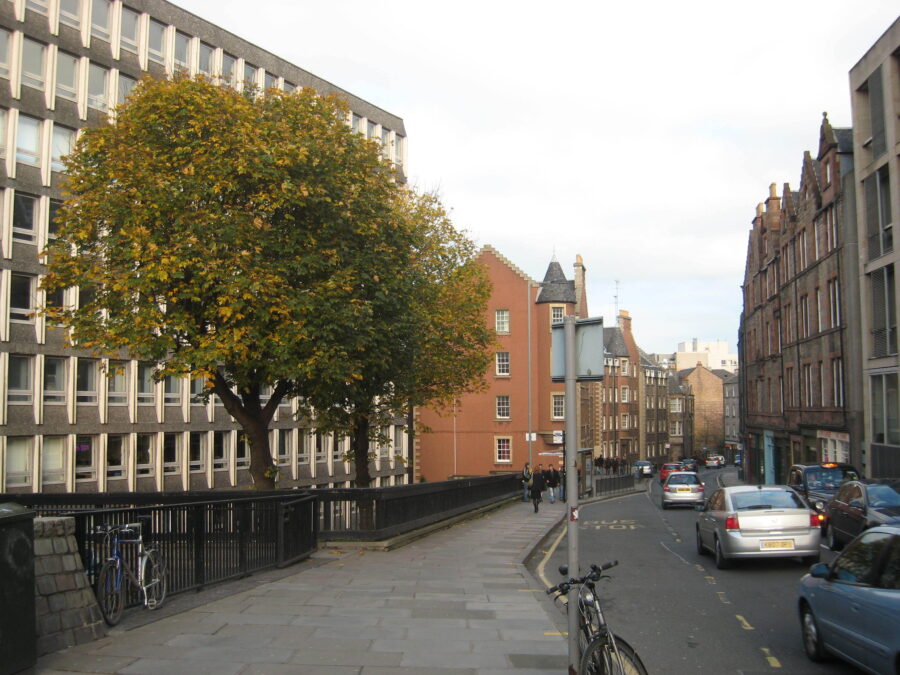
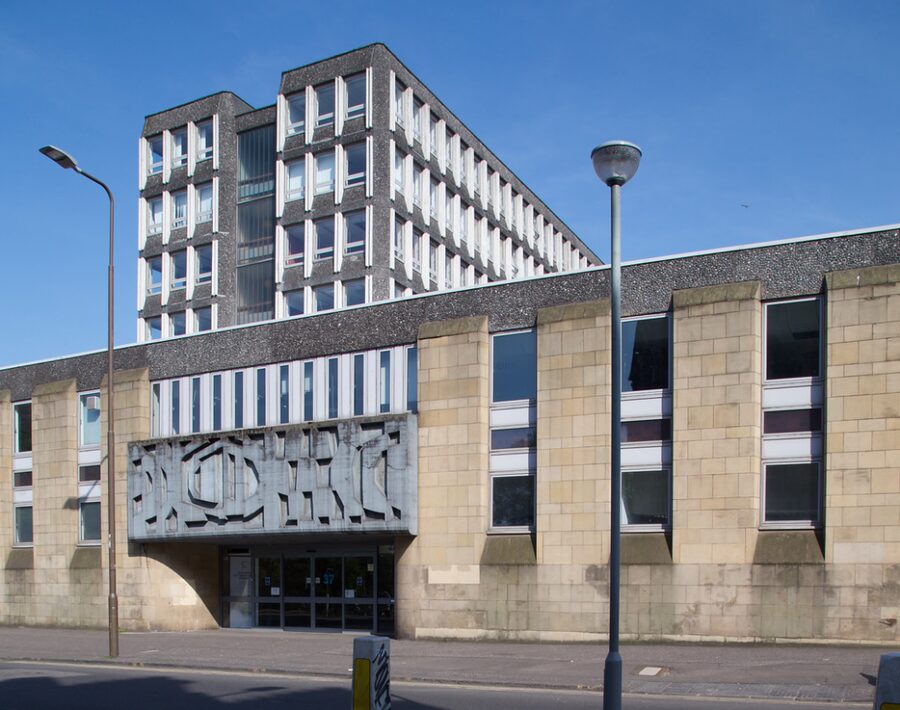
Argyle House is a distinguished modernist building, in a city that continues to erase its recent heritage. In its sturdy, grey monumentality it is characteristically Edinburgh; plus in placemaking it does a nice thing in stepping back from the tight junction at the head of West Port, a move that Patrick Geddes, doyen of Town Planning and Edinburgh Hero, would have surely approved, given his adage of “letting some light in”. Plus I recall a Hibs Supporters Forum where Edinburgh taxi drivers praised it to the skies - local folk with good taste.
3.Carbon and Climate Doublespeak
It is madness, given the seriousness of the Climate Emergency and the ocean of waste that we condemn to landfill, to knock down a sturdy, solid and useful building, condemning huge amounts of embodied carbon. As an architect I find it particularly distressing to see the plans being advanced by a former President of my professional institute, who has proclaimed himself a “Climate Champion”.
WHAT MIGHT THE OUTCOME BE?
Despite our civic and Governmental institutions’ constantly expressed focus on carbon, consultation and economic diversity – the Edinburgh Chamber of Commerce, for instance, has just published its Unleashing our Economic Ambition “call to arms” that specifically includes protecting and strengthening this key part of the economy – the assumption in too much of our institutions is that all this is a “formality”, allowing us to waste our breath and resources on Consultancies, Reports and the Miasma of “Listening”, before we let international capital – here, a wealthy US Real Estate Behemoth – assert its right to extract wealth from our City, over the local wealth-building of wee, local tech-incubators, thus adding to the more than £10 billion a year extracted from our Scottish economy.
WASTE
I was asked to summarise my three points in one and that one was Waste: the sturdy, useful building and its carbon sent to landfill; the cultural cleansing of the city’s 20th Century, modernist architectural heritage; and the 750 significant jobs underpinning a diverse economy, scattered to the wind.
If we accept that a primary purpose of the City is to generate wealth, the question is who harvests a surplus, and we should continue to ask our Governments and their agencies for affirmative action to retain that wealth for its people.
SIMPLE REPAIRS AND UPGRADES
Fraser/Livingstone Architects continue to campaign for the retention of Argyle House, around the issues of Waste: of carbon, of the outstanding Edinburgh architectural history it represents, and of the 900 tech jobs it nurtures.
To those who ask what major work, including net-zero retrofits and big glam upgrades, would we propose, in an ideal world, we point out that a critical aspect of the building and institution's success is that it provides low-rental space for start-ups. Any major refit that translates into a steep rent rise would be self-defeating. However, if there was a relatively benevolent owner, willing to invest in some simple upgrades, we would suggest the following:
1. Repairs: roof, leaks etc - sensible, basic stuff
2. Decarbonise Energy Generation - likely geothermal heat pumps
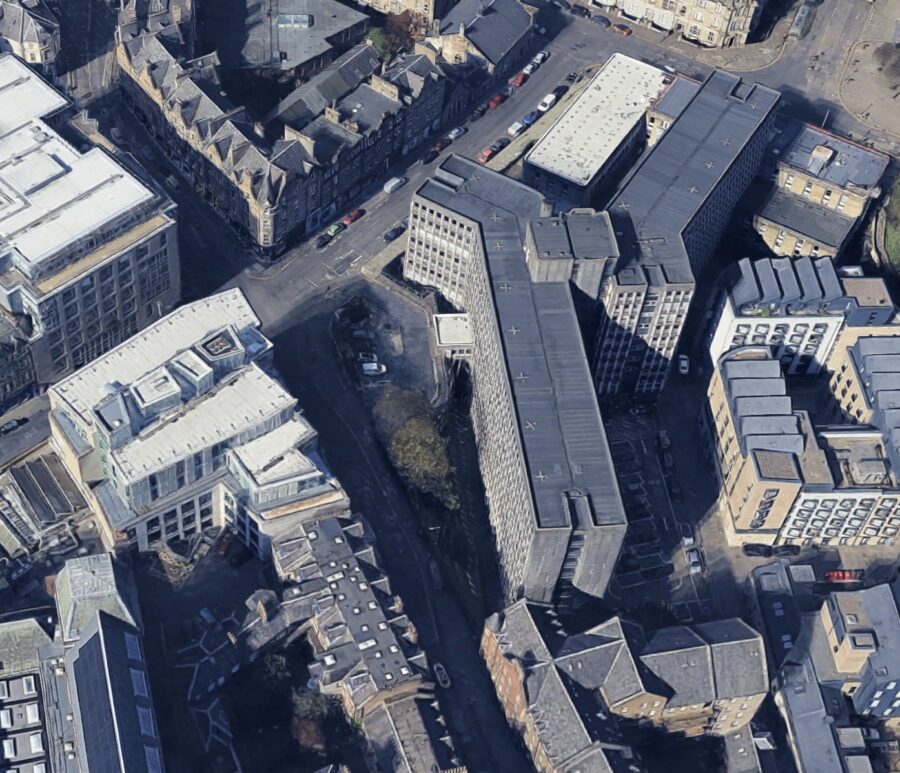
3. West Port Pocket Park: replace the small number of parking spaces to the main entrance front with trees, forming a wee Pocket Park, relieving the claustrophobia the junction (and the owner's new proposals) threaten, with the "letting a little sunshine and nature in" that Edinburgh polymath Patrick Geddes called for.
And, if finance allows:
4. Public Close: take a new (daytime, closed at night) public route through the building. We accept its big, grey townscape has many virtues, but it does block a huge slab of Old Town. A Close would link through to the regeneration around King's Stables Road, with separate wings of the building entered off it.
Thereafter, replacement windows, new social hubs and cafes, and general fit-out and energy-saving improvements, would be next on the list - if finance allowed.